
MEN
The Essential Guide to Acquiring Your First Rolex
Sep
Whether drawn to the allure of a gleaming new model or the unique character of a pre-owned piece, understanding the nuances of the brand and the market is paramount. This guide delves into the considerations that shape this journey, from appreciating Rolex’s unparalleled heritage to navigating the practicalities of finding a trustworthy dealer and selecting the perfect watch for both your wrist and your aspirations.
Owning a Rolex transcends mere possession of a luxury item; it represents an investment in generations of meticulous craftsmanship, a storied legacy, and enduring value. Founded in 1905 by Hans Wilsdorf with a vision for precise, reliable wristwatches, Rolex, headquartered in Geneva, has consistently defined the pinnacle of horological innovation and excellence. Its reputation wasn’t bestowed but earned through relentless pursuit of perfection, pioneering advancements like the first waterproof wristwatch (Oyster, 1926) and the first self-winding mechanism with a perpetual rotor. Today, Rolex remains a symbol of achievement, producing nearly a million watches annually using proprietary alloys and supporting global initiatives, solidifying its position as an icon.
For many, acquiring a Rolex marks a pivotal life moment – a milestone birthday, a career triumph, a wedding, or the birth of a child. It serves as a tangible, daily-worn reminder of accomplishment. Simultaneously, its universal recognition makes it an unparalleled status symbol, instantly communicating success regardless of age or specific model. While other brands command higher price tags, none match Rolex’s global resonance for signifying achievement.
Beyond celebration and status, Rolex watches possess a remarkable ability to retain, and often appreciate in, value. Unlike most consumer goods, a well-chosen Rolex can be a wearable asset. While buying solely for investment requires specific knowledge and carries inherent risks, it’s undeniable that many models see consistent price appreciation. The key lies in informed selection: focusing on condition, provenance, model rarity, and market demand. For savvy buyers, enjoying a Rolex daily while potentially seeing its value grow offers a unique combination of pleasure and prudence. Factors like buying new versus pre-owned, overall condition, and the model’s desirability significantly influence this potential. While not a guaranteed path to riches, a Rolex is frequently a sound store of value.
Rolex’s catalog, though diverse, elegantly divides into two core families: Classic and Professional.
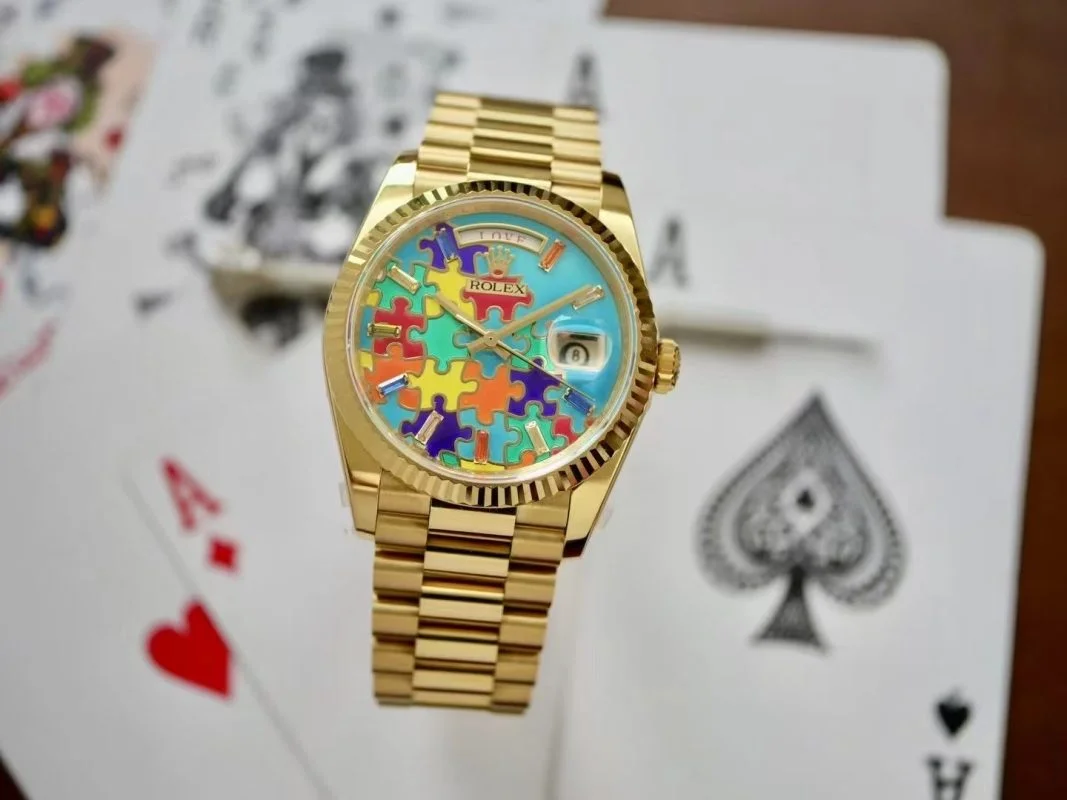
Classic Models: Epitomizing timeless elegance, these watches prioritize refined aesthetics over specialized tool functions. Models like the versatile Oyster Perpetual, the iconic Datejust (the first automatic wristwatch with a date window), and the prestigious, day-and-date displaying Day-Date (exclusively crafted in precious metals) are designed for seamless integration into any lifestyle. Their understated sophistication makes them ideal companions, equally suited for formal attire or casual settings, appealing profoundly to both newcomers and seasoned collectors seeking enduring style.
Professional Models: Born from purpose, these are Rolex’s legendary tool watches, engineered for extreme environments and demanding activities. The Submariner, the archetypal dive watch; the GMT-Master II, the traveler’s indispensable companion with multiple time zones; and the Daytona, the high-precision chronograph of racing legends – all share robust construction, enhanced legibility, and features tailored to their specific roles, like rotatable bezels and high water resistance. Their functional design, coupled with inherent durability, has earned them iconic status far beyond their original intended use.
Choosing the right model requires thoughtful self-reflection:
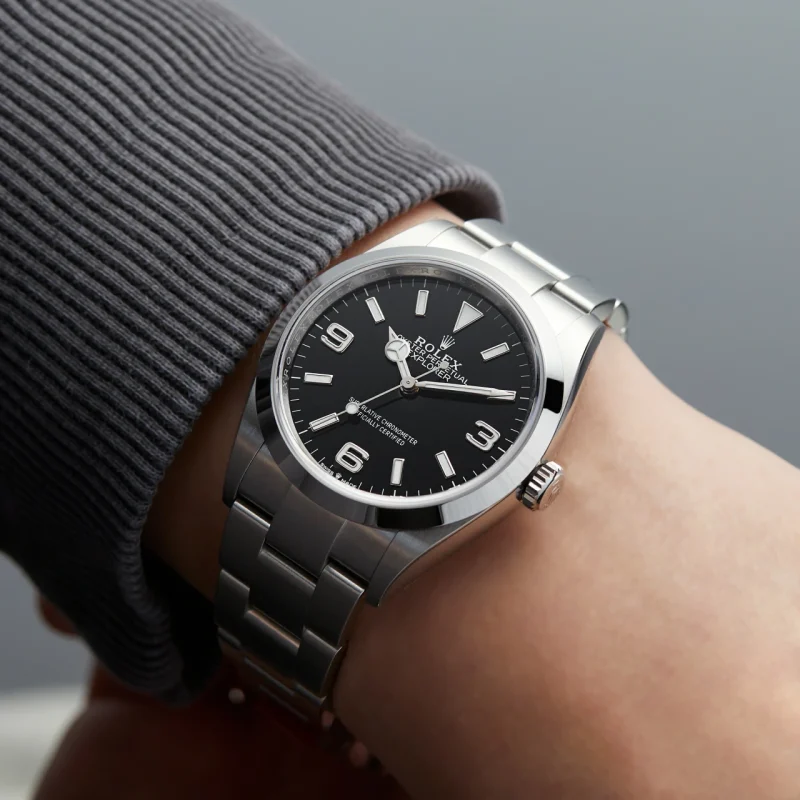
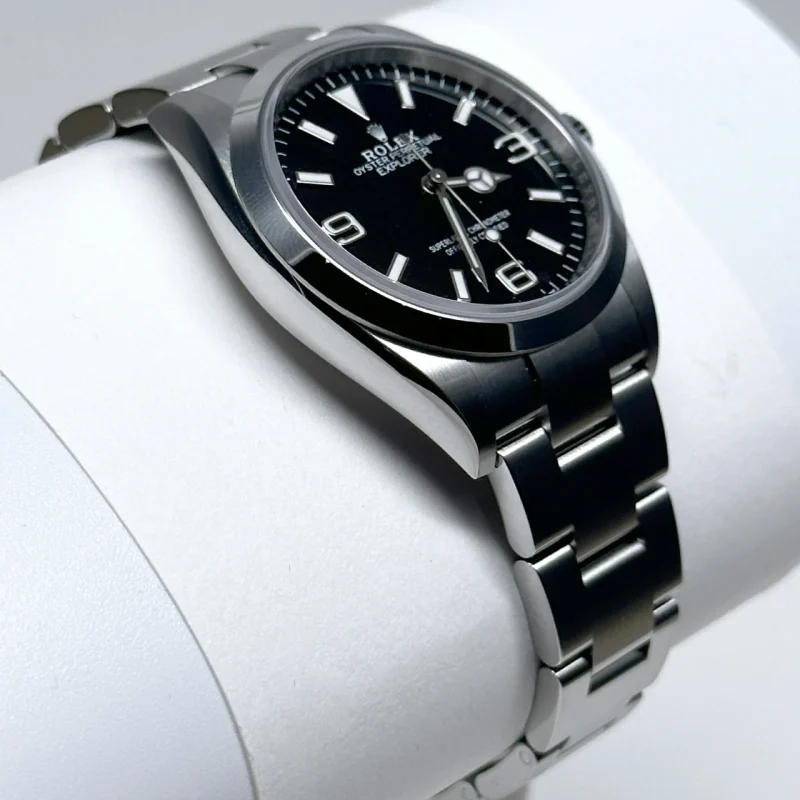
Envision Your Wear: Will this be a daily companion through diverse activities, or reserved for special occasions? An Explorer or Submariner excels as a rugged, everyday workhorse, while a Datejust or Day-Date offers timeless elegance perfect for dressier moments.
Define Functional Needs: Aesthetics matter, but functionality is crucial. Do you require a date display? Then the Oyster Perpetual might fall short. Need a chronograph? The Daytona is Rolex’s sole offering. Aligning features with your daily requirements is essential for long-term satisfaction.
Discover Your Preference: With core needs identified, explore the vast array of options within suitable models. For instance, the Datejust alone offers countless variations in case size (from classic 36mm to modern 41mm), materials (Oystersteel, gold, two-tone), dials, bezels (smooth, fluted, diamond-set), and bracelets (Oyster, Jubilee).
Prioritize Fit and Proportion: Aesthetics fade if the watch doesn’t fit. Case size is critical. Men’s Rolex typically range from 36mm to 41mm, with some Professionals reaching 44mm. Crucially, many Professional models are only available in one size. Trying on different sizes or carefully reviewing dimensions is vital to ensure comfort and proportion on your wrist. A watch that feels too large or too small will inevitably spend less time worn.
Establish a Realistic Budget: Rolex prices span from several thousand dollars for pre-owned classics to well over a million for rare pieces. Set a clear budget early. Entry-level new models start around $5,000-$6,000, but popular or complex models (like the Sky-Dweller with its annual calendar) command significantly more. The pre-owned market offers wider access at lower price points, especially for discontinued or vintage references. If your desired models exceed your budget, it may signal a need to save further or explore different references.
While Rolex maintains a network of authorized dealers (ADs), purchasing a new model, especially a popular one, is rarely straightforward. Demand consistently outstrips supply globally.
Pricing & Availability: At retail, Rolex pricing is relatively accessible within the luxury segment ($5,000 – $50,000+), and ADs cannot charge above list price. However, finding the specific model you want, new and immediately available, is the primary challenge. Most coveted Professional models and even popular Classics like the vibrant-dialed Oyster Perpetuals are perpetually scarce.
The Waiting List Phenomenon: For in-demand references like the stainless steel Daytona with ceramic bezel, the GMT-Master II “Pepsi” or “Batman,” or the latest Submariner, multi-year waiting lists at ADs are commonplace, with no guarantee of eventual acquisition before potential discontinuation. This scarcity fuels the pre-owned market.
The secondary market offers significant advantages:
Immediate Access & Choice: Find current sold-out models instantly (albeit often at a premium) and explore discontinued or vintage treasures unavailable new. The pre-owned market is the exclusive source for Rolex’s rich back catalog.
Value Entry Point: The most affordable Rolex watches are found pre-owned. Prices can start around half the cost of a new entry-level model for older references, offering exceptional value, particularly for those with defined budgets.
Condition Spectrum: “Pre-owned” doesn’t equate to “worn out.” The market spans unworn, mint-condition watches (sometimes sold by original owners capitalizing on value appreciation) to project pieces needing restoration. Understanding condition grades – from pristine New Old Stock (NOS) and Mint to Used (polished or unpolished) and Fixer-Uppers – is crucial, as condition dramatically impacts price and value retention, especially for vintage collectibles. Original boxes and papers (“full set”) also enhance provenance and value.
Buying pre-owned demands diligence:
Choose a Reputable Dealer: Prioritize established, specialist dealers with proven track records, positive reviews, and industry longevity. Avoid the cheapest option; expertise and trustworthiness are paramount. General jewelers may lack the specific knowledge to properly authenticate and evaluate watches.
Verify Authenticity Meticulously: Rolex is the most counterfeited luxury brand. Ensure every component is genuine. Reputable dealers offer authenticity guarantees and may provide third-party certification (e.g., Watch CSA reports). Your best defense is buying from a trusted source.
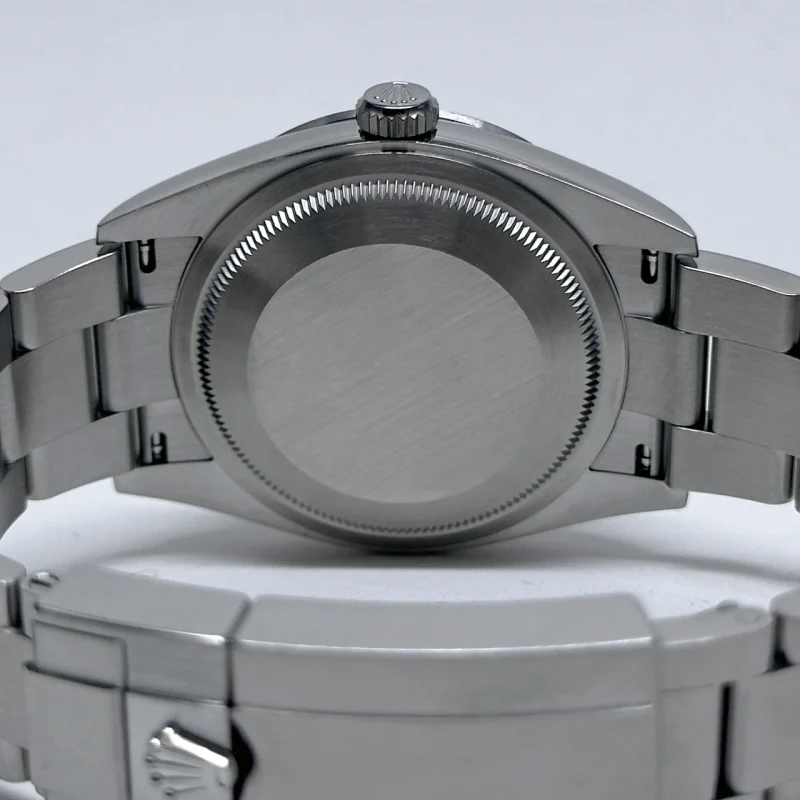
Assess Condition Thoroughly: Scrutinize the watch cosmetically (case, bezel, dial, hands, bracelet) and mechanically. Dial damage is often permanent. Bracelet stretch or wear, especially on precious metal models, is costly to rectify. Test all functions (winding, setting, chronograph if applicable). Feel for roughness or unusual noises. Factor in potential servicing costs; a cheap watch needing major repairs can become expensive.
Demand Strong Guarantees: Insist on warranties (covering mechanical function) and lifetime authenticity guarantees. These safeguards are essential for peace of mind, especially for significant investments. Dealers like Bob’s Watches exemplify this commitment to buyer protection.
While replica Rolex doesn’t sell online directly, authorized dealers showcase available stock online, and the pre-owned market thrives digitally. Reputable online platforms offer vast selections, detailed condition reports, high-resolution photos, and the convenience of purchasing from home. However, the core principles remain: prioritize trusted dealers with robust guarantees and transparency, whether browsing an AD’s site for local availability or exploring the extensive pre-owned offerings online. Buying new online still typically involves navigating AD waitlists indirectly, while pre-owned platforms offer immediate access, albeit often above retail prices.
Iconic Models to Inspire Your Search
Submariner (1953): The quintessential dive watch, an icon of robustness and timeless design. Offers 300m water resistance, ceramic bezels, and now includes date and no-date versions in various materials. Universally admired beyond its diving origins.
Datejust (1945): Rolex’s best-selling model, renowned for introducing the automatic date change. The epitome of versatile, everyday luxury, available in an unmatched range of sizes (26mm-41mm) and configurations (materials, dials, bezels, bracelets). Designed to be a lifelong companion.
Daytona (1963): The legendary chronograph, synonymous with motorsport and high demand. Vintage models are among the most collectible and expensive Rolex watches. New examples command years-long waitlists, and pre-owned prices often significantly exceed retail. A true grail watch.
Day-Date (1956): The prestigious “President,” crafted only in precious metals (gold or platinum). The first to display both the date and the full day of the week (in 26 languages). A symbol of ultimate achievement and exclusivity, often seen on influential figures. Vintage rarities are highly sought-after by collectors.
GMT-Master II (1983): The global traveler’s essential tool, displaying three time zones simultaneously via its distinctive 24-hour rotatable bezel (Pepsi, Batman, Root Beer). Combines rugged functionality with iconic style, transitioning effortlessly from adventure to elegance. Enjoys strong and stable resale value.
Armed with knowledge of Rolex’s heritage, the intricacies of its collections, and the realities of the market – both new and pre-owned – you are now equipped to embark on the rewarding journey of acquiring your perfect Rolex.
