
MEN
The Rolex Datejust 80th Anniversary Collector’s Guide
Sep
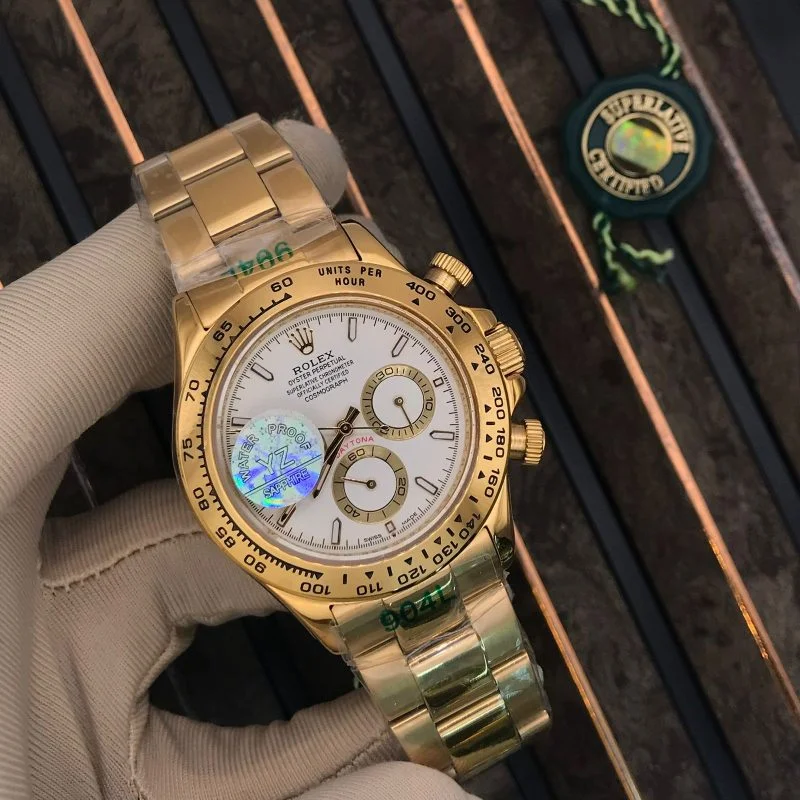
While most Datejust models follow a familiar formula, a few defy expectations and have gained cult status among enthusiasts. The Rolex OysterQuartz Datejust (Ref. 17000 Series) is one such anomaly – Rolex’s only quartz-powered Datejust, produced in fewer than 25,000 units. Despite its unconventional movement, it remains a fascinating footnote in Rolex history, with prices now ranging from $6,000 to $15,000+. Another rarity is the Turn-O-Graph “Thunderbird”, featuring a rotating bezel for a sportier appeal. Due to sporadic production, finding one in pristine condition is a challenge, and prices surge for rare dial or bezel variations. Then there are the special dial editions – tapestry, linen, Stella lacquer, and gem-set versions – many of which now fetch well over $20,000 at auction.
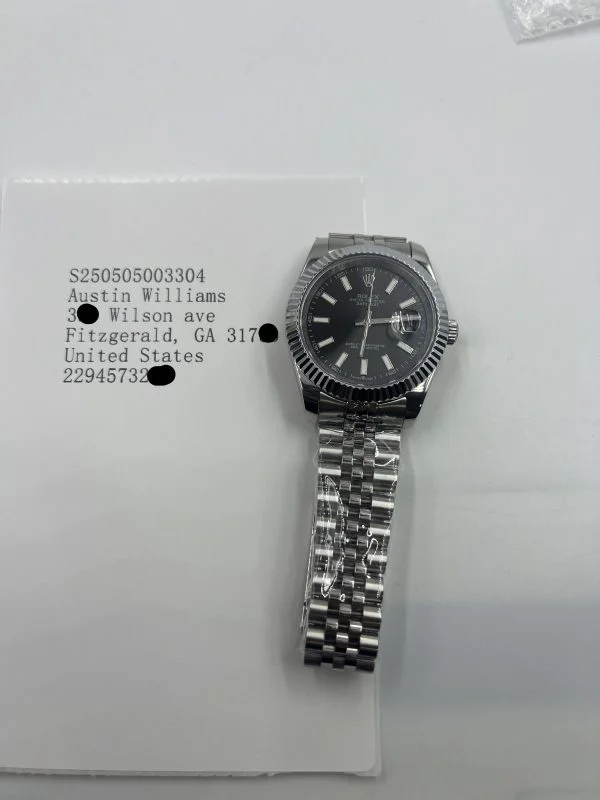
The Datejust’s pricing spectrum is as varied as its history. Vintage steel models (1940s-1960s) typically start at $3,000-$8,000, with rare dials or exceptional condition pushing values higher. Two-tone and gold references generally fall between $5,000 and $12,000, though certain discontinued configurations can exceed that range. Modern steel Datejusts (2010s-2020s) usually trade for $6,000-$9,000 pre-owned, while brand-new models may sell above retail if supply is constrained. At the top end, precious metal and gem-set editions – such as those with diamond markers or ruby accents – can reach $15,000-$35,000+, particularly if accompanied by original documentation.
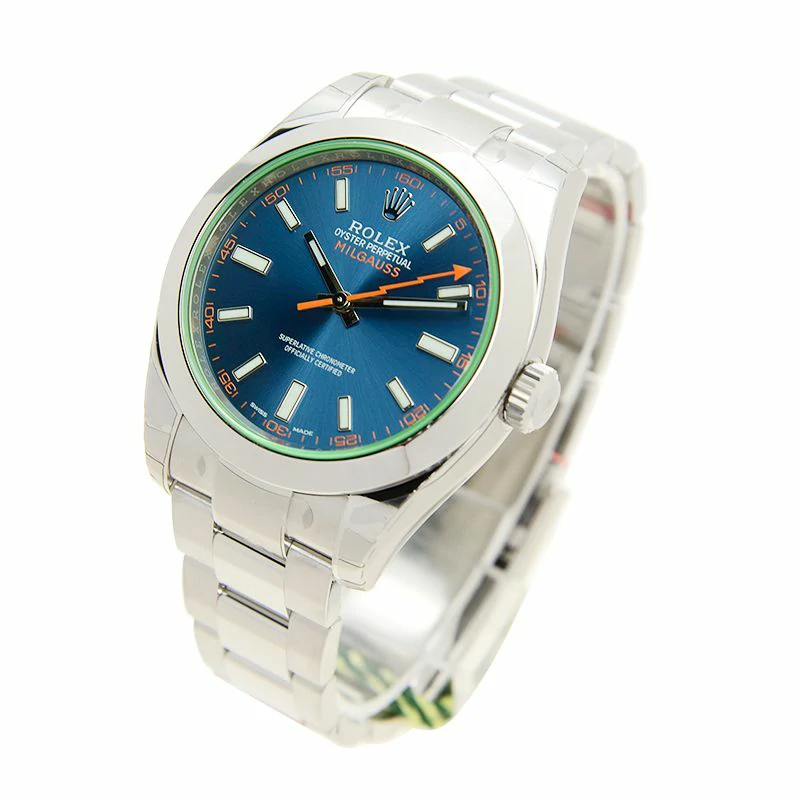
Not all Datejusts are created equal in the eyes of collectors. Originality is paramount – over-polished cases, replaced dials, or non-matching components can significantly diminish value. A watch with full service records is far more desirable, as it assures authenticity and proper maintenance. The “full set” (box, papers, tags) adds a premium, sometimes 20-30% or more compared to a replica watch-only sale. Perhaps most crucially, buyers should only purchase from trusted dealers or auction houses – counterfeit and “frankenwatch” risks are real, and expert authentication is essential.
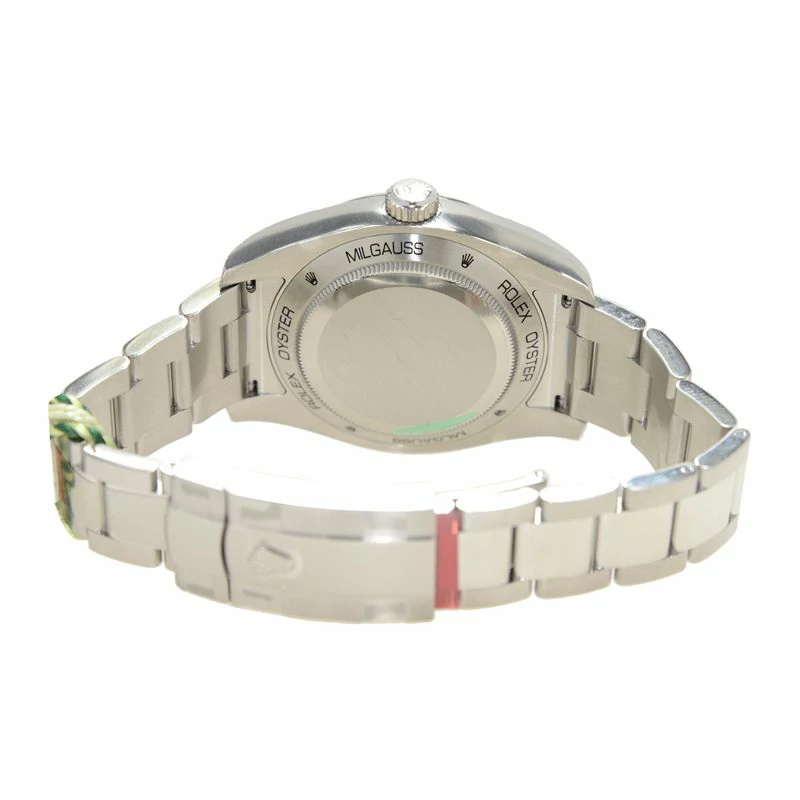
A well-maintained Datejust can last generations, but proper care is key. Servicing every 5-10 years ensures the movement stays accurate, while water resistance checks (especially for vintage pieces) prevent moisture damage. When not in use, store the watch in a soft-lined box, away from magnets and humidity. For daily wear, avoid extreme shocks or prolonged exposure to saltwater. And if you own a rare variant, consider insuring it – many collectors underestimate how much these fake watches appreciate over time.
The Rolex Datejust has remained a cornerstone of luxury watchmaking, thanks to its perfect balance of form and function. But for collectors, the real thrill lies in hunting down those rare, exceptional versions – the OysterQuartz, the Thunderbird, the exotic dials – that tell a richer story. Whether you’re a seasoned collector or a first-time buyer, understanding these nuances ensures you make an informed, rewarding investment. After 80 years, the Datejust isn’t just a watch; it’s a living piece of horological art.
