
MEN
Why 2026 Will Be the WORST Year in Rolex Watch History?
Sep
The narrative was unshakable: Rolexes only go up. They were the “investment on your wrist,” a bastion of value defended by artificial scarcity and insatiable demand. That fairy tale is ending. We are on a collision course with reality, and 2026 isn’t just a correction – it’s shaping up to be the worst year in modern Rolex history. The perfect storm is here, and it will wipe out the speculative froth that has distorted the market for a generation.
Let’s cut through the hopeful whispers in AD waiting rooms and examine the brutal mechanics of the coming collapse.
1. The Industrial Paradox & Double Supply Shock
Rolex’s new temporary “Fribourg” facilities are coming fully online, a strategic move planned during peak mania. But they will hit a market where demand is already cooling rapidly. This new output won’t meet empty showcases; it will collide with a tsunami of panic-sold inventory from grey market dealers and “flippers” rushing for the exits. The result? A historic oversupply. The very scarcity Rolex meticulously cultivated is being engineered away at the worst possible time.
2. The Value Destruction: The Death of the “Investment” Myth
The cornerstone of the modern replica Rolex hype was its perceived value retention. That pillar has crumbled. Steel sports models like the GMT-Master II and Daytona are already down 30-40% from their insane peaks. By 2026, we forecast a total correction of 50-70% for most hyped references. When a two-year-old Submariner trades for less than its retail price – a scenario becoming reality – the entire “buy-to-flip” incentive vanishes overnight. The emotional purchase remains, but the speculative buyer is gone.
3. The Grey Market Implosion
This is the epicenter of the catastrophe. Grey dealers built empires on leveraged inventory, banking on perpetual appreciation. They are now sitting on stockpiles of overpriced watches with evaporating margins and staggering carrying costs. As prices slide below retail, a wave of bankruptcies and forced liquidations is inevitable. This fire sale will flood the market, accelerating the price decline in a vicious, self-feeding cycle.
4. The Geopolitical & Cultural Perfect Storm
The external winds have shifted from a tailwind to a hurricane-force headwind. China’s sustained crackdown on luxury gifting and “conspicuous consumption” has closed the world’s most critical growth market. Simultaneously, rising global trade tensions threaten luxury tariffs. Culturally, the trend has pivoted to “quiet luxury” and understatement – a space dominated by brands like A. Lange & Söhne or even Rolex’s own sister brand, Tudor, which is capturing the next generation of enthusiasts with superior value and accessibility.
5. The Superfake Crisis Eroding Trust
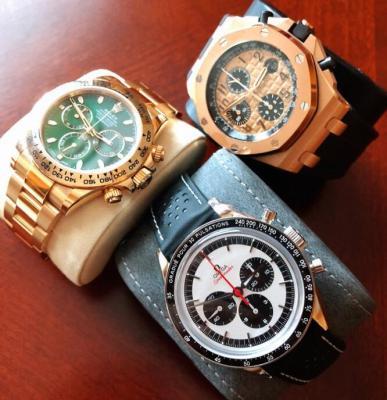
The authentication service WatchCSA recently reported that a staggering 57% of their rejected Rolex submissions are now high-end “superfakes.” This isn’t just a problem for buyers; it’s a cancer eating at the brand’s core value proposition: guaranteed authenticity and legacy. If you can’t be sure the replica watch is real without a microscope, why pay a 100% premium on the secondary market? Confidence is the foundation of luxury, and it is cracking.
For the true collector? This is a long-overdue cleansing, a return to sanity, and the ultimate buyer’s market. For the speculator who bought a Daytona as a stock certificate? It will be a historical lesson in the dangers of mistaking hype for intrinsic value.
