
MEN
Is Another Replica Rolex Price Increase Just Around the Corner?
Sep
The financial climate of the mid-2020s suggests that this trajectory isn’t slowing down – it’s accelerating. With the brand recently implementing its third major price adjustment in just twelve months at the start of 2026, the logical question for every collector and investor is: why is this happening, and when is the next increase coming?
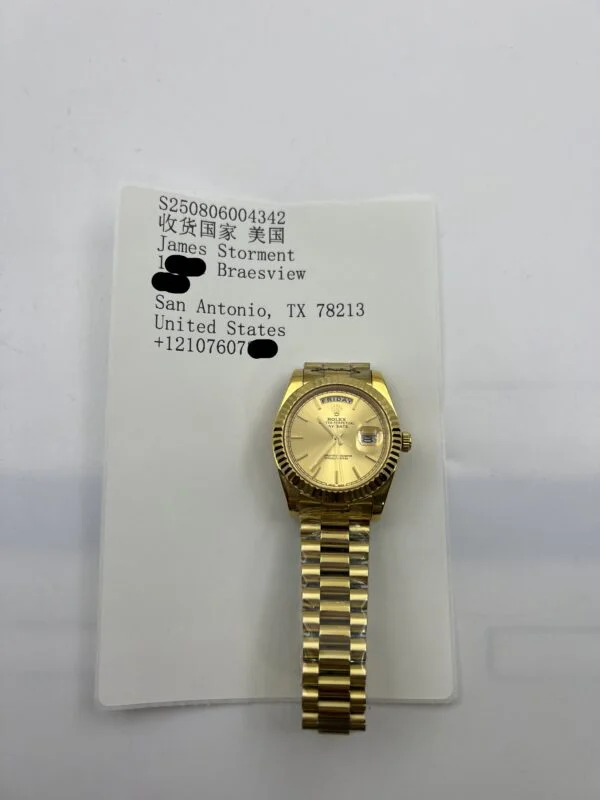
To understand the future, one must first grasp the present. The latest price increase, effective January 1, 2026, was not a uniform bump but a strategic, tiered adjustment based on material value. Across global markets, the average increase was approximately 7%, yet the disparity between materials was stark. Stainless steel models, such as the Submariner, saw more moderate hikes of around 5.6%. In contrast, clone watches crafted from precious metals bore the brunt of the increase. Gold models, including iconic pieces like the yellow gold Day-Date and the Everose gold Daytona, surged by an average of 8% to 10%. This was Rolex’s third price adjustment in a single year, following moves in January and May of 2025, signaling a dramatic shift from its traditionally annual cadence.
The Geopolitical Tariff Toll: A dominant and direct catalyst is international trade policy. The United States’ imposition of a 15% import tariff on Swiss watches has fundamentally altered the cost structure for the American market – Rolex’s single largest. This external policy shock has forced Rolex to adjust U.S. prices more aggressively than other regions, with some analyses noting the impact is a primary reason American buyers face some of the steepest increases globally.
The Precious Metals Squeeze: The raw materials in a Rolex are a significant part of its value. The astronomical rise in gold prices, which saw annual increases upwards of 60-70% in 2025, directly translates to higher production costs. This explains the disproportionate rise in gold and two-tone “Rolesor” models. While stainless steel costs are more stable, the brand’s heavy reliance on gold for its most prestigious lines makes it acutely vulnerable to commodity market volatility.
The Currency Exchange Whiplash: Rolex replica manufactures and initially prices its watches in Switzerland using Swiss Francs (CHF). When the U.S. dollar weakens against the franc, the dollar-denominated retail price must increase to maintain the brand’s global revenue targets. This currency fluctuation adds another layer of financial uncertainty that often gets passed on to consumers in the form of periodic adjustments.
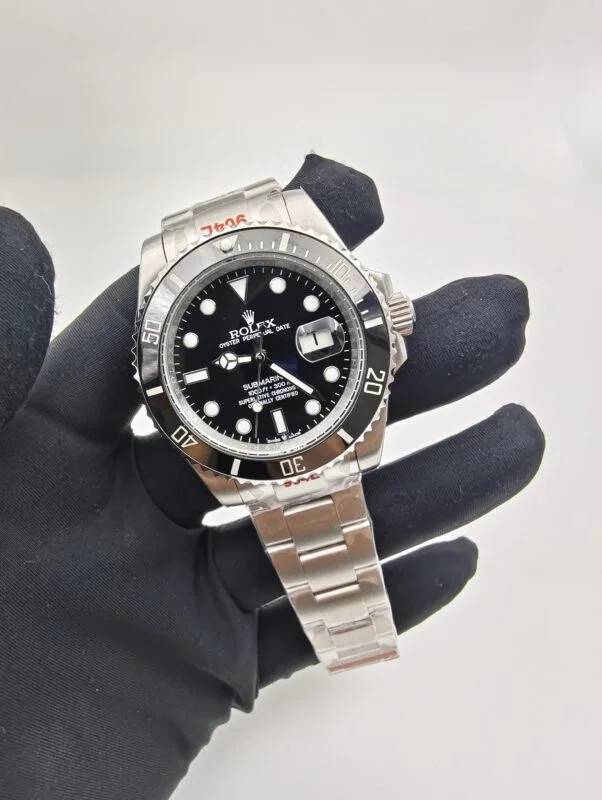
The landscape in early 2026, however, presents a complex paradox. While retail prices climb, the previously overheated pre-owned market has experienced a significant correction. Iconic models like the “Starbucks” Submariner (Ref. 126610LV), which retails for $11,900, are readily available on trusted platforms like Chrono24 for well over $17,000, indicating a premium still exists. Yet, broader reports note that the secondary market bubble has partially deflated, with some former “hype” models dropping over 40% from their peaks.
This creates a unique dynamic: brand-new replica watches are becoming more expensive at retail, while pre-owned pieces – especially those not subject to new tariffs or the latest manufacturer price resets – can offer a relative value, even if they still sell above their original retail price.
The evidence points to a near-certain conclusion: another Rolex price increase is not a matter of “if,” but “when.” The brand’s tiered pricing strategy in 2026 reveals a sophisticated mechanism designed to protect margins on its most valuable products while managing entry-level accessibility.
